On grid congestion the Netherlands and the solution proposed for ZERO
The Netherlands have long been pioneers in the energy transition and are now facing ambitious climate targets for 2030. Yet, because of this ambition and its related need for electricity, the energy grid is facing strong congestion.
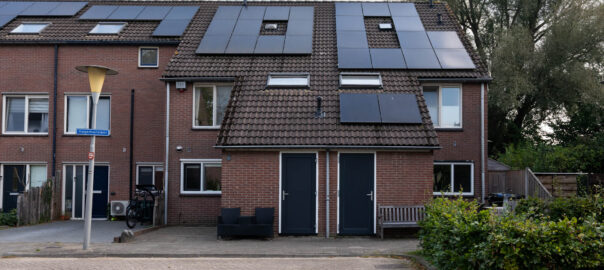
Wieteke Hoftijzer, Ideation Consultant at the Innovation Hub of Alliander, an energy grid operator in the Netherlands, is enlightening us on the grid congestion and explaining the solution provided within the EUI ZERO project taking place in the Elderveld neighbourhood of the city of Arnhem. Continue reading →
Who lives in Tuindorp Oostzaan? How does a tree that has roots in the water, hosts a couple of birds or gives shades? What kind of relations do all living bodies have with each other? Where, when and how precisely should the project intervene in order to increase the life-supporting capacity of the neighbourhood?
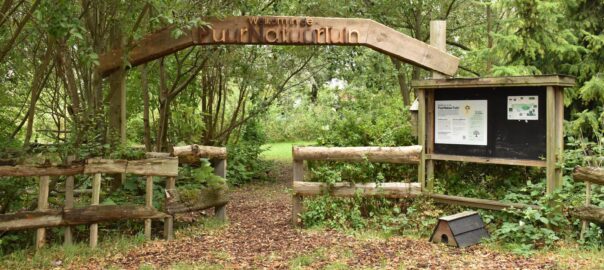
By asking these questions and many others, which are part of the Zoöp methodology, the EUI Ground for Wellbeing (GfW) project makes the voices of human and non-human living creatures that can be found in Tuindorp Oostzaan part of decision-making. Continue reading →
When it is hot, you might need to balance the need to be outside with the danger and discomfort of heat. Sometimes, parks are no exception to it: either they don’t have enough shadow and cooling spots, or these shadows cannot be comfortably used.
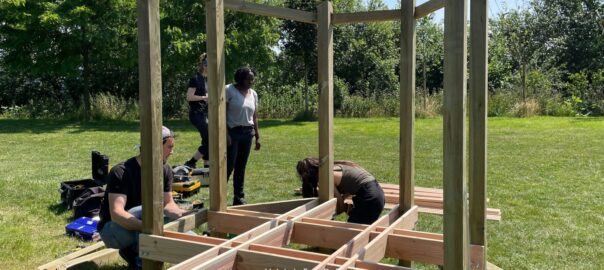
That’s why, to maximise the cooling potential of six parks and create new cooling solutions during heatwaves, the EUI Time2Adapt project has experimented with temporary urban furniture. What’s new about it? That’s what we’re going to see! Continue reading →
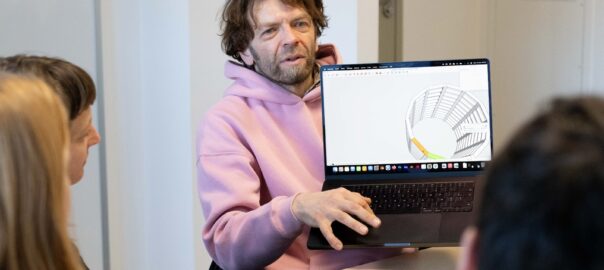
Designing sustainable and beautiful urban solutions, all together, is at the core of the Time2Adapt project. That makes it a truly New European Bauhaus project! Its most striking example? Four artistic installations which will be built in three areas of Lille and Loos.
Why the New European Bauhaus?
Time2Adapt uses time-based urbanism as a lever to address the need for cool places when urban temperatures reach uncomfortable and life-threatening highs. It is part of part of the first call of the European Urban Initiative (EUI) programme under the theme of New European Bauhaus. Continue reading →
Your house is sinking into the soil. It seems unstable on the floor. Cracklings appear on the external walls. Your indoor walls are full of mold and fungus. And now, heavy rain makes you walk in water in your garden, all around your house, in your neighbourhood. The trees don’t stay put and fall. Your health is seriously affected.
You’re not in an episode of ‘Extrapolations’. This is the reality of the 17 000 inhabitants of Tuindorp Oostzaan, in Amsterdam.
Once an ideal garden city neighbourhood in the Northen part of Amsterdam and designed according to the concepts of community spirit, greenery, village-like atmosphere, it faces nowadays increasing challenges related to houses and neighbourhood structural issues, worsening with years and climate change.
Most of the underlying issues, such as groundwater management are not to be seen by untrained eyes. Yet, they will be the key focus of the two main renovation activities of the EUI Ground for Well-Being (GfW) project: the redesign and transformation of the Plejadenplein – a main square in the centre of the neighbourhood – and the redesign of the main mobility axis of the area, Meteorenweg.
GfW seeks to tackle both the physical problems caused by the difficult soil and the social challenges in the neighbourhood in an integrated manner. Seven key components form the core of the project, before climate change worsens even more the situation.