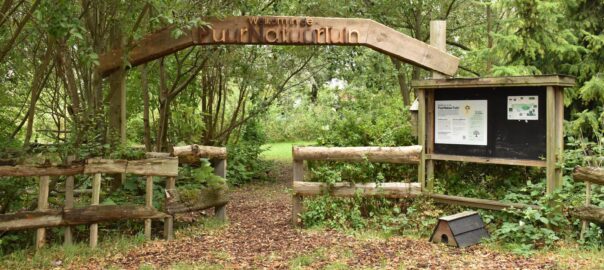
Who lives in Tuindorp Oostzaan? How does a tree that has roots in the water, hosts a couple of birds or gives shades? What kind of relations do all living bodies have with each other? Where, when and how precisely should the project intervene in order to increase the life-supporting capacity of the neighbourhood?
By asking these questions and many others, which are part of the Zoöp methodology, the EUI Ground for Wellbeing (GfW) project makes the voices of human and non-human living creatures that can be found in Tuindorp Oostzaan part of decision-making. Continue reading →
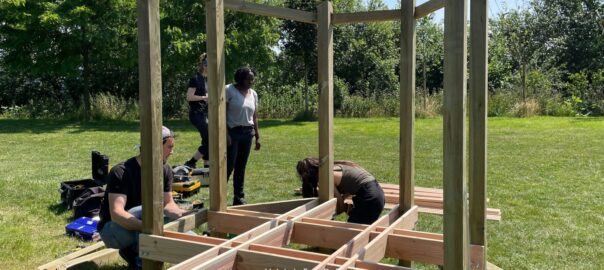
When it is hot, you might need to balance the need to be outside with the danger and discomfort of heat. Sometimes, parks are no exception to it: either they don’t have enough shadow and cooling spots, or these shadows cannot be comfortably used.
That’s why, to maximise the cooling potential of six parks and create new cooling solutions during heatwaves, the EUI Time2Adapt project has experimented with temporary urban furniture. What’s new about it? That’s what we’re going to see! Continue reading →
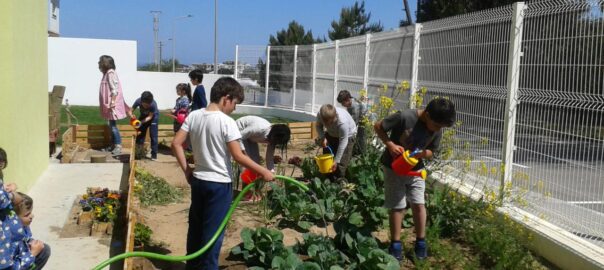
We can transform agrifood systems to ensure that everyone has access to a healthy diet, living in harmony with the planet.
This World Food Day, which also marks the 80th anniversary of the UN Food and Agriculture Organization (FAO), is calling for global collaboration to create a peaceful, sustainable, prosperous, and food-secure future.
Echoing this call, seven of the 116 URBACT Good Practices (labelled in 2024) are reinventing the menu for implementing more sustainable food systems. Discover the cities and their approaches in this article.
Changing the menu: strategic governance
For adequate implementation of local food policies, some cities have identified the need for an overarching framework, encompassing the integrated components of the food system together with its stakeholders. This was the case for Tartu (EE).
Exchanging information among different stakeholders
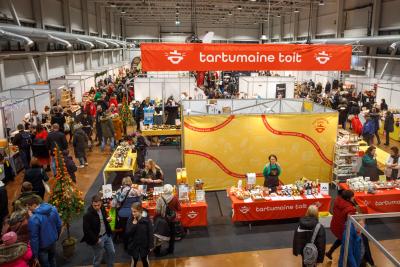
Building a common brand in the form of a logo –Tirin for food events and Tartumaine Toit for food producers and caterers
Developing and deploying innovative and science-based solutions
Promoting conscious consumption of healthy and local food
The strategy was co-designed by over 100 representatives, including farmers, SMEs and large companies (producers, caterers, retailers), universities, R&D institutions, local governments, event organisers, and non-governmental organisations (NGO). They now form a network of stakeholders that contribute to the implementation of the strategy locally as well as connect with the rest of the region’s food sector institutions.
A food strategy works best if it is co-designed with those who are concerned with the local challenge and who will be at the core of its implementation. Creating a strategy can also enable the launch information platforms for both internal and external communication and capacity-building events.
Tartu’s methodology is intended to be easily transferable, locally and in the wider region, even if the objectives of a strategy vary according to local realities and needs (for instance, Food Public Procurement).
Food sourcing: inclusive production
Organic and ecological methods can drastically reduce the climate impact of food production. Yet, their social value is also crucial to ensure a fairer society, as demonstrated by the following two cities.
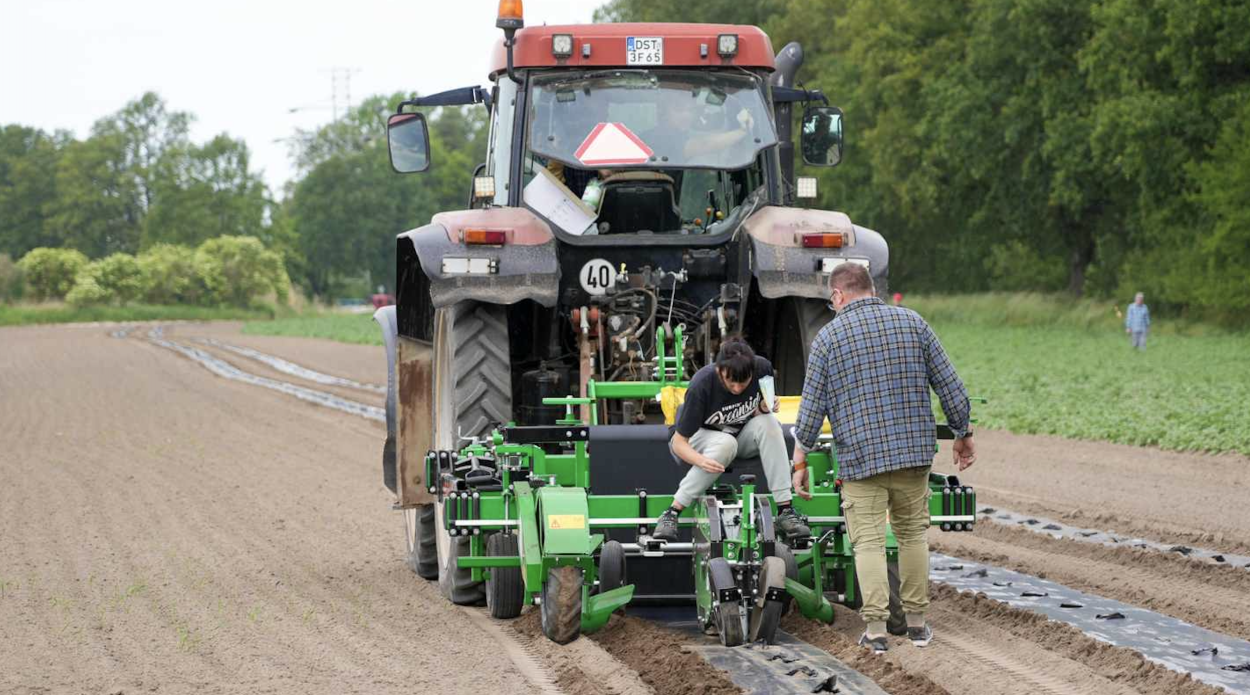
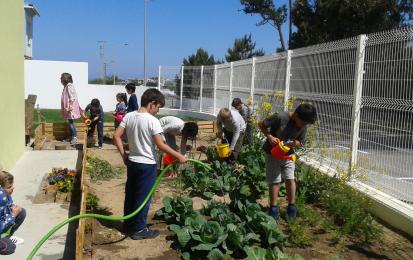
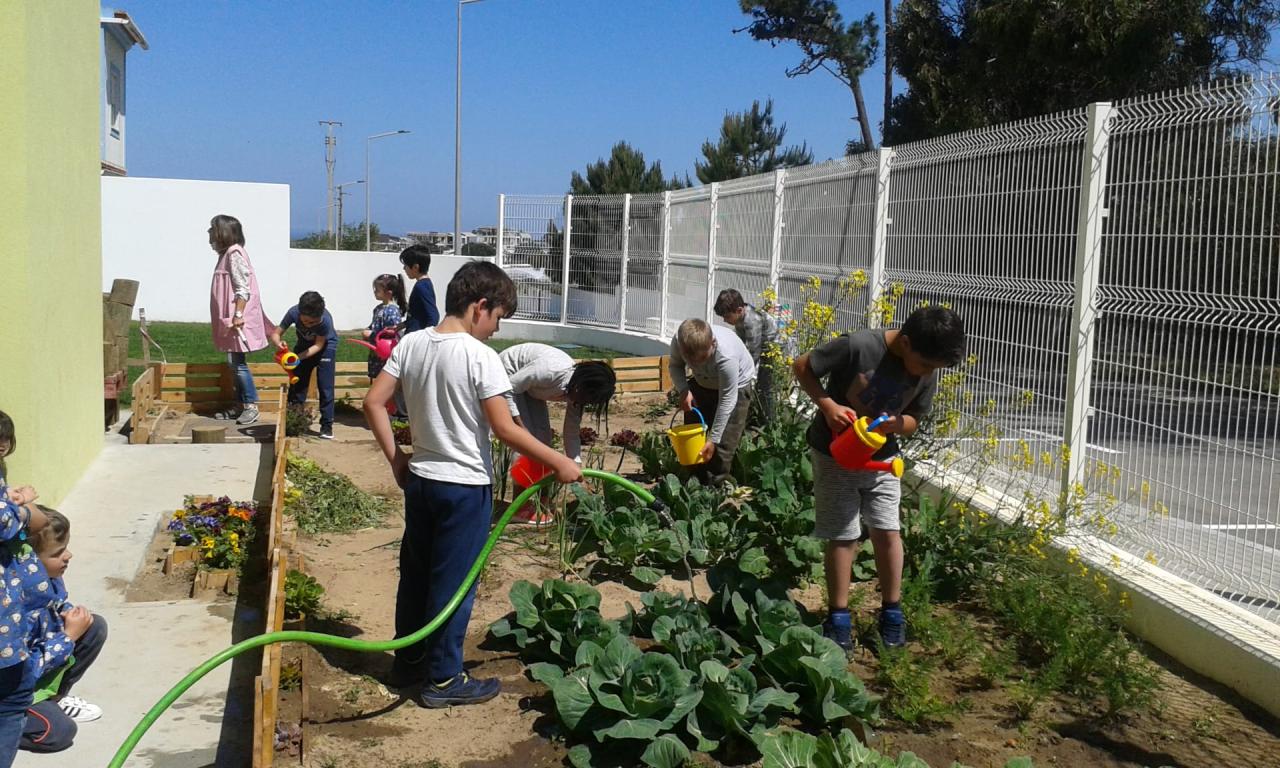
The Sustainable farm project aims to increase the role of local production in the city’s food system and shorten supply chains. Beyond ecological farming practices, the farm runs a vocational programme for people facing social and employment exclusion, notably long-term unemployed people.
The participants have taken learnt the necessary skills for farming and gardening work, which gave them a chance to become financially independent. The social component also includes the creation of an educational zone for meetings, workshops, and a place where various social groups can interact.
This city of Oeiras also seeks to promote organic production while enhancing local economic development and creating local markets, bringing local producers closer to consumers.
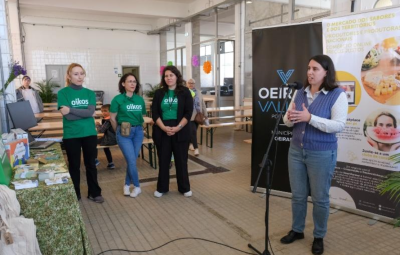
Since 2023, the initiative has been promoting food and environmental sustainability practices, with collaborative activities involving the local community. The project is built around two local partnerships with NGOs. The first one, with Semear, has supported the employment of 47 people, including psychomotor rehabilitation technicians and social inclusion specialists. The second partnership, with OIKOS, develops retail solutions (e.g. vegetable boxes from small producers, corporate volunteering) for events and markets.
Sustainability should not be solely focused on its green components. These two projects show that the social element is key, can be used as a door towards new economic and societal models, with immediate direct and side effects. For this, need to be equipped with the right partners (local governments, universities, businesses, NGOs) and to work beyond silos and comfort zones.
Education as a leverage for transition: behaviour change
The important effect of changing school canteens systems on eating habits is not new; in fact, it has already been addressed by several URBACT networks, including Diet for a Green Planet, BIOCANTEENS #1 and #2. The following two cities have developed additional approaches that stress the need to educate the entire population – not just children – to transition towards a more sustainable food system.
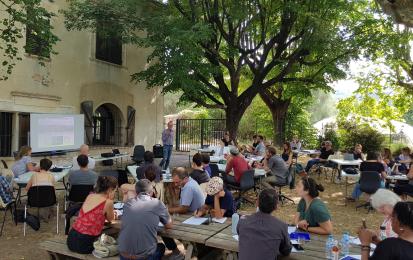
By creating the Sustainable Food Education Centre / Maison d’Éducation à l’Alimentation Durable (MEAD) in 2016, Mouans-Sartoux sought to amplify the changes it had observed through the move of its canteens towards 100% organic sourcing.
Through various activities and campaigns, the Centre covers five key areas: (1) increasing agricultural land from 40 to 112 hectares; (2) making sustainable food more accessible, with several organic and local provision schemes; (3) organising educational activities for schoolchildren, businesses, and families; (4) supporting research, with regular evaluation of local food policies; and (5) sharing knowledge with other French and European cities.
In terms of education, MEAD organises awareness-raising programmes about sustainable food through organic canteens, the municipal farm, classes for schoolchildren, a food challenge, and much more.
Education of children – and staff – is only one of the aspects of Sustainable Food School Programme, which comprises four integrated, complementary and necessary pillars: Production (School gardens and farm visits), Acquisition (Work on Public Procurement schemes to support Short food supply chains), Cooking (in municipal kitchens, and a network of kitchens in private social institutions), and Consumption (Promotion of healthy eating habits in schools).
Activities related to ‘consumption’ target students, families, school staff, teachers, the local agro-industrial sector, market actors, and NGOs. Examples of activities for children include: separation of food waste after meals by students; ‘Lunch With Me on my Birthday’, where families eat with their child in the school on their birthday; and ‘October Food Month’.
Whether through a centre or school canteen, cites need to find the hook to trigger behaviour change. Behaviours are complex and changing them requires repetition and complementary activities. They also need to be regularly reviewed and adjusted.
Beyond greenwashing: food marketing
We buy products for a variety of reasons, knowing or not the way they are produced. Two cities understood this and developed adequate places, markets; in their own way, each supports the sale of organic products, while at the same time promoting community cohesion.
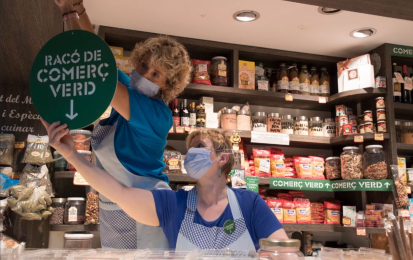
The Green Markets project sets up a methodology to identify and promote fresh and local products. The project includes several main components; for instance, setting standards for food labelling, training traders by sector, and even reducing plastic bag use and other actions to improve the sustainability of local markets.
To increase the visibility of the local products, it developed cross-cutting support for distribution and consumption provided clear information to consumers, and promotional opportunities to producers and retailers.
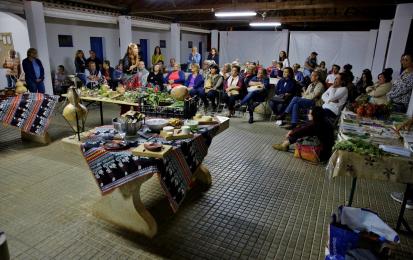
The Night at the market event fosters community engagement through municipal market events. The initiative, launched in October 2017 to coincide with World Food Day, consists of monthly events, each featuring a unique theme and a guest who presents the topic through an informal conversation. Topics have included, among others: Food and climate change; Aromatic plants and the healing power of plants; Mértola wines. The event also consists of some shared cooking activities.
Local groups and leaders, including universities, cultural associations and parish councils, actively participate. This approach encourages active participation, builds trust, and empowers the community to support food sustainability.
Marketing needs to possess a broader objective than pure product sale: local promotion, urban-rural linkages, support of local jobs, social community, social bonds, education. All of this ensures a more consistent and inclusive food ecosystem, while also supporting the link between the ways food is produced and the way it is, eventually, sold, as part of a bigger, more impactful, project.
Time for dessert
The above-mentioned practices contribute to several global and European policies and priorities in the areas of circular economy, adaptation to climate change, jobs and skills in the local economy, sustainable use of land and solutions based on nature resources, urban mobility, and urban poverty.
Even if these practices are focused on different themes, they have a potential for wider impact and show the necessity to act on food systems in a holistic way, each city at its own pace, at its own scale.
Check out the 116 URBACT Good Practices database for inspiring solutions to food and other urban challenges such as climate action, energy efficiency, mobility, urban planning and regeneration, and social inclusion.
Did you know that some of these practices will be transferred to other cities through URBACT Transfer Networks? Meet the 25 newly selected networks about to kick off their transfer journey!
Designing sustainable and beautiful urban solutions, all together, is at the core of the Time2Adapt project. That makes it a truly New European Bauhaus project! Its most striking example? Four artistic installations which will be built in three areas of Lille and Loos.
Why the New European Bauhaus?
Time2Adapt uses time-based urbanism as a lever to address the need for cool places when urban temperatures reach uncomfortable and life-threatening highs. It is part of part of the first call of the European Urban Initiative (EUI) programme under the theme of New European Bauhaus. Continue reading →
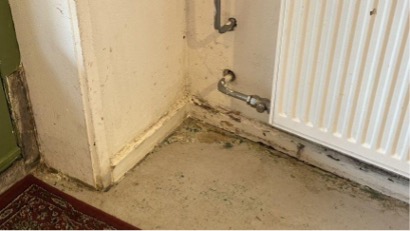
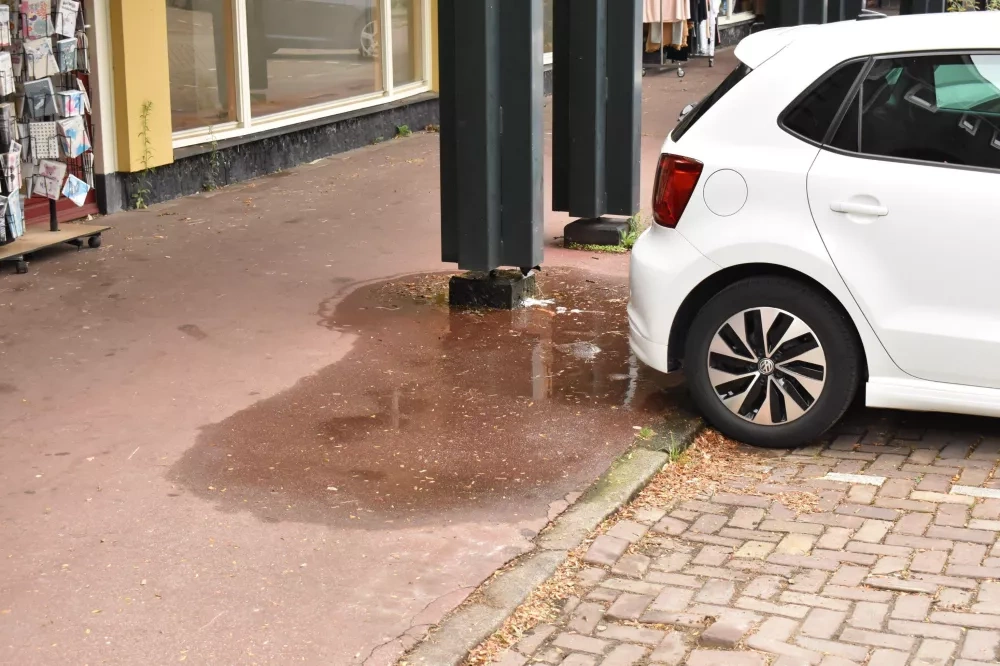
Your house is sinking into the soil. It seems unstable on the floor. Cracklings appear on the external walls. Your indoor walls are full of mold and fungus. And now, heavy rain makes you walk in water in your garden, all around your house, in your neighbourhood. The trees don’t stay put and fall. Your health is seriously affected.
You’re not in an episode of ‘Extrapolations’. This is the reality of the 17 000 inhabitants of Tuindorp Oostzaan, in Amsterdam.
Once an ideal garden city neighbourhood in the Northen part of Amsterdam and designed according to the concepts of community spirit, greenery, village-like atmosphere, it faces nowadays increasing challenges related to houses and neighbourhood structural issues, worsening with years and climate change.
Most of the underlying issues, such as groundwater management are not to be seen by untrained eyes. Yet, they will be the key focus of the two main renovation activities of the EUI Ground for Well-Being (GfW) project: the redesign and transformation of the Plejadenplein – a main square in the centre of the neighbourhood – and the redesign of the main mobility axis of the area, Meteorenweg.
GfW seeks to tackle both the physical problems caused by the difficult soil and the social challenges in the neighbourhood in an integrated manner. Seven key components form the core of the project, before climate change worsens even more the situation.